Ultimate Guide to Choosing Industrial Evaporative Coolers
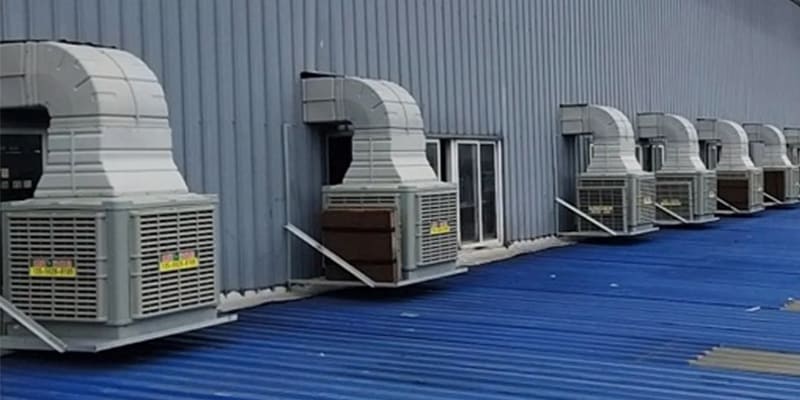
Ultimate Guide to Choosing Industrial Evaporative Coolers
As a business owner, it’s important to provide a comfortable working environment for your employees and customers, especially during hot summer months. Industrial cooling systems are essential to maintain a productive and comfortable atmosphere, but with so many options available, it can be overwhelming to choose the right one for your business.
Our ultimate guide to industrial evaporative coolers to learn about their benefits, drawbacks, and how to choose the best solution for your business.

What are Industrial Evaporative Coolers?
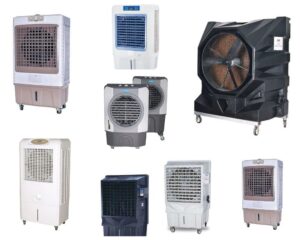
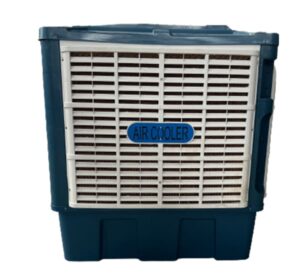
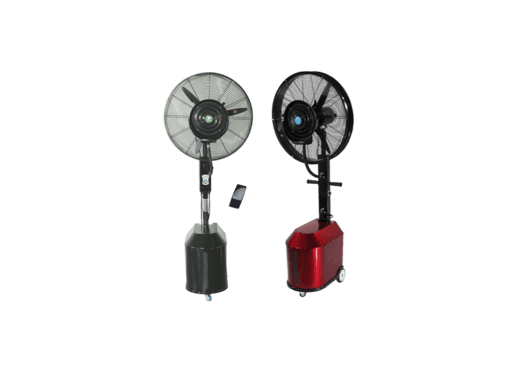
Industrial evaporative coolers, also known as swamp coolers, are air cooling systems that use water to cool air. They work by blowing air through wet pads, which evaporates the water and cools the air. As a result, they provide a cost-effective and energy-efficient alternative to traditional air conditioning systems.
Benefits of Industrial Evaporative Coolers
Energy Efficiency
Industrial swamp coolers use up to 80% less energy than traditional air conditioners. They only require a small amount of electricity to run the fan and pump water, resulting in lower energy bills.
Environmentally Friendly
The indoor evaporative coolers are an eco-friendly option for businesses looking to reduce their carbon footprint. They use natural water and air to cool, and do not require refrigerants or other chemicals that can be harmful to the environment.
Cost-Effective
The initial cost of purchasing and installing an evaporative cooler is lower than that of a traditional air conditioner. Additionally, they require less maintenance and have a longer lifespan, resulting in lower overall costs.
Better Air Quality
Evaporative air coolers circulate fresh air from outside, providing better air quality for employees and customers. They also add moisture to the air, which can be beneficial in dry climates.

Drawbacks of Industrial Evaporative Coolers
Humidity
Industrial swamp coolers add moisture to the air, which can be a disadvantage in humid climates. High humidity levels can make the air feel muggy and uncomfortable, making it harder to cool down.
Limited Cooling Capacity
The coolers are designed to work in dry climates, and their cooling capacity is limited in high humidity areas. They are not effective in cooling large spaces, and may not provide enough cooling for rooms with a lot of electronic equipment or heat-generating machinery.
Maintenance
Industrial evaporative coolers require regular maintenance, including cleaning the pads and changing the water. If not properly maintained, the pads can become clogged with dirt and debris, reducing the system’s effectiveness.
As mentioned earlier, industrial evaporative coolers are ideal for businesses located in hot and dry climates. But how do you choose the best solution for your business? Here are some factors to consider:
Factors to Consider When Choosing Industrial Evaporative Coolers
Cooling Capacity
The cooling capacity of an industrial evaporative cooler is measured in CFM (Cubic Feet per Minute). The higher the CFM, the more air the cooler can move, and the more effective it will be at cooling the area. Consider the size of the area you need to cool and choose a cooler with an appropriate CFM rating.
Water Usage
Evaporative coolers require water to function. Consider the availability and cost of water in your area before selecting a cooler. If water is scarce, you may need to opt for a cooler with a lower water consumption rate.
Energy Efficiency
Compared to air conditioners, evaporative coolers consume less energy, which translates to lower energy bills. However, it’s still important to choose a cooler that is energy efficient to ensure you get the most savings.
Noise Level
Evaporative coolers generate noise while operating. Consider the noise level of the cooler and select one that won’t be too loud for your business environment.
Air Quality
Evaporative coolers rely on the flow of fresh air to function effectively. Consider the quality of air in your area before selecting a cooler. If your area has high levels of pollutants or allergens, you may need to opt for an air conditioner that features air filtration.
Cost
Finally, consider the upfront cost and long-term operating costs of the cooler. While evaporative coolers are generally more affordable than air conditioners, there are differences in price and operating costs between different models.

By considering these factors, you can choose the best industrial evaporative cooler for your business. However, if you’re still unsure, consult with an SBS Cooler professional who can provide expert advice based on your business’s specific needs.
In conclusion, industrial evaporative coolers are an efficient and cost-effective cooling solution for businesses located in hot and dry climates. They consume less energy than air conditioners, are eco-friendly, and require less maintenance. By considering the factors mentioned above, you can choose the best industrial evaporative cooler for your business and enjoy comfortable working conditions even on the hottest days of the year.
Industrial Evaporative Cooler vs Air Conditioner Which is Better
Revolutionize Your Business