Industrial Evaporative Cooler vs Air Conditioner Which is Better
Industrial Evaporative Cooler vs Air Conditioner: Which is Better?
Industrial Evaporative Cooler
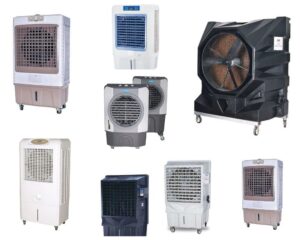
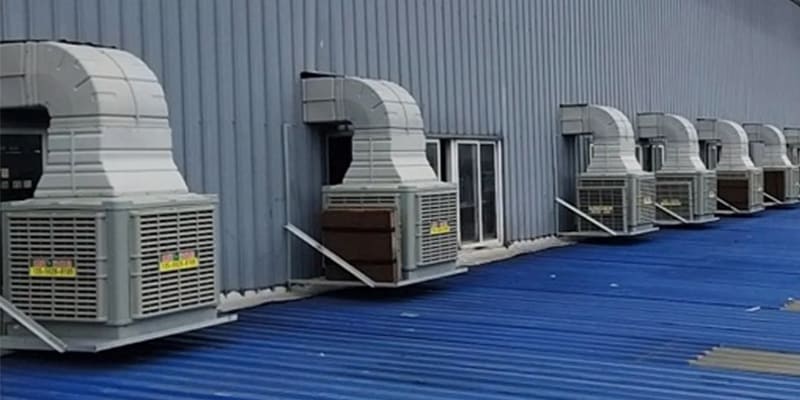
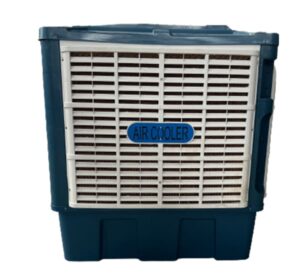
An industrial evaporative cooler, also known as a swamp cooler, is an energy-efficient cooling system that works by evaporating water to cool the air. The unit pulls in hot, dry air through wet cooling pads and cools it down by evaporating water into the air. The cooled air is then pushed back into the space, reducing the temperature.

Advantages
Energy Efficiency
Evaporative coolers use significantly less energy than traditional air conditioners, making them an ideal choice for large industrial spaces that require continuous cooling.
Cost-Effective
The initial investment cost of an evaporative cooler is generally lower than that of an air conditioner, making it a cost-effective option for small to medium-sized facilities.
Low Maintenance
Industrial evaporative coolers require minimal maintenance, with only the cooling pads needing to be replaced periodically.
Environmentally Friendly
Evaporative coolers do not use refrigerants that are harmful to the environment, making them an eco-friendly option.
Healthier Air Quality
Evaporative coolers add moisture to the air, which can improve air quality and reduce respiratory problems.

Disadvantages
Humidity
Evaporative coolers add moisture to the air, which can be a problem in humid environments. This means that they may not be the best choice in areas with high humidity levels.
Limited Cooling Capacity
Evaporative coolers are less effective in humid climates, and their cooling capacity is limited, making them unsuitable for larger facilities.
Water Usage
Swamp coolers require a constant supply of water to operate, which may not be readily available in certain areas.
Air Conditioner
Air conditioners are refrigeration systems that work by removing heat and moisture from the air to cool a space. They use a refrigerant to absorb the heat from the air, which is then expelled outside the building.
Advantages
Effective Cooling
Air conditioners have a high cooling capacity and can quickly cool large industrial spaces.
Low Humidity
Air conditioners remove moisture from the air, making them suitable for use in humid environments.
Comfortable Environment
Air conditioners can control humidity levels, making the environment more comfortable for workers.
Year-Round Use
Air conditioners can be used year-round, providing both cooling and heating options.
Precise Temperature Control
Air conditioners offer precise temperature control, allowing for greater comfort in the space.
Disadvantages
Higher Energy Consumption
Air conditioners consume a significant amount of energy and may not be cost-effective for large industrial spaces, resulting in higher electricity bills.
More Expensive
Air conditioners have a higher initial investment cost than evaporative coolers, making them less cost-effective for small to medium-sized facilities.
Environmental Impact
Many air conditioners use harmful refrigerants, which can have a negative impact on the environment.
Maintenance
Air conditioners require regular maintenance, including the replacement of filters and the cleaning of the condenser.

Conclusion
When choosing between an industrial evaporative cooler and an air conditioner, it is essential to consider the specific needs of your space. If energy efficiency and low maintenance are essential, then an industrial evaporative cooler may be the best choice. However, if your space requires precise temperature control and has high cooling requirements, then an air conditioner may be the better option. Ultimately, both options have their advantages and disadvantages, and the decision should be based on the specific needs of your space.
In summary, industrial evaporative coolers and air conditioners are both effective cooling solutions for large industrial spaces. Understanding the advantages and disadvantages of each can help you make an informed decision and choose the best option for your needs.
Your Ultimate Guide to Purchasing Industrial Evaporative Coolers from China
Ultimate Guide to Choosing Industrial Evaporative Coolers